Culture
The History of Paraty: From Gold to Cachaça to UNESCO Status
Why is there such a well-preserved colonial town in the middle of the Atlantic forest? The history behind every cobblestone street in Paraty.
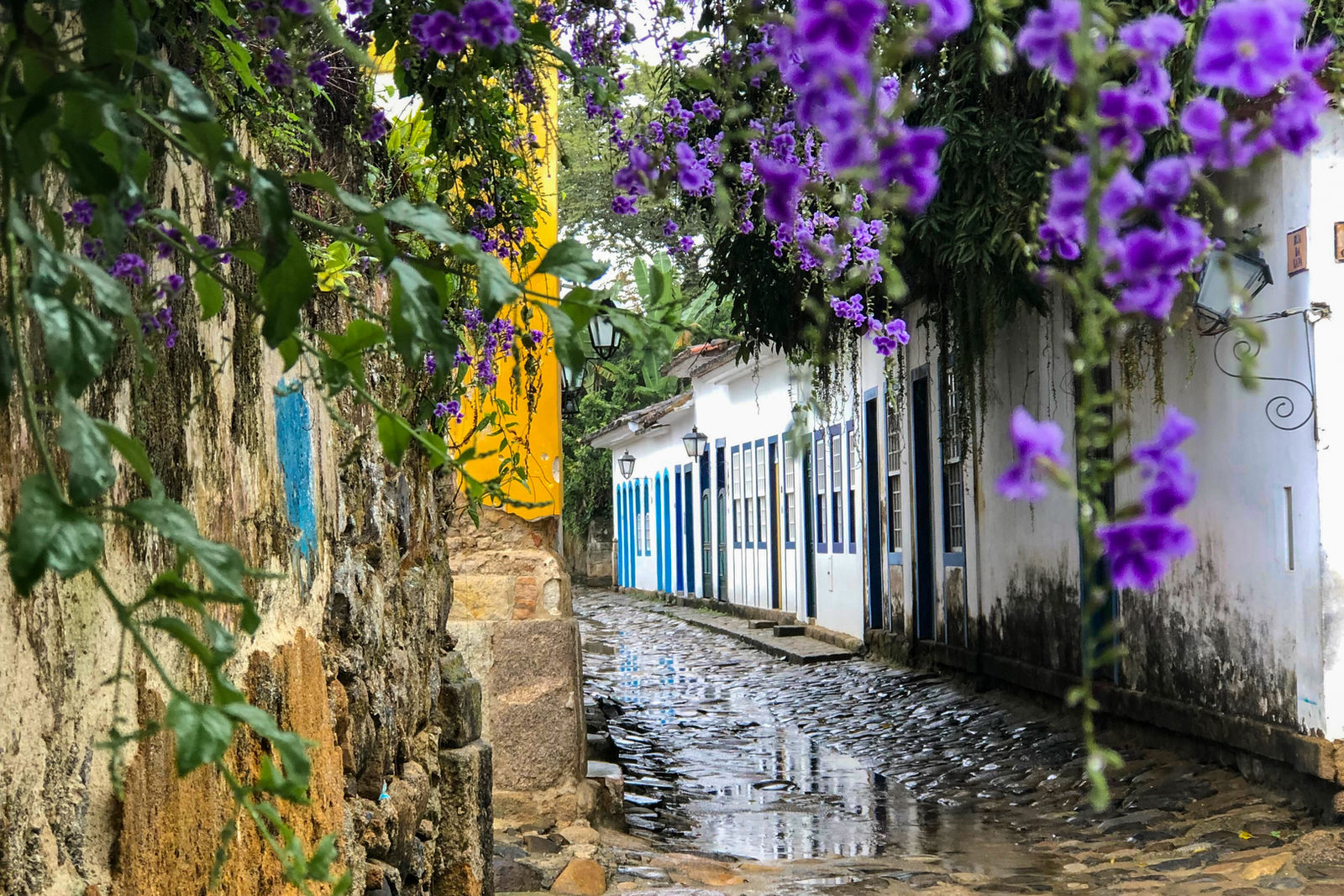
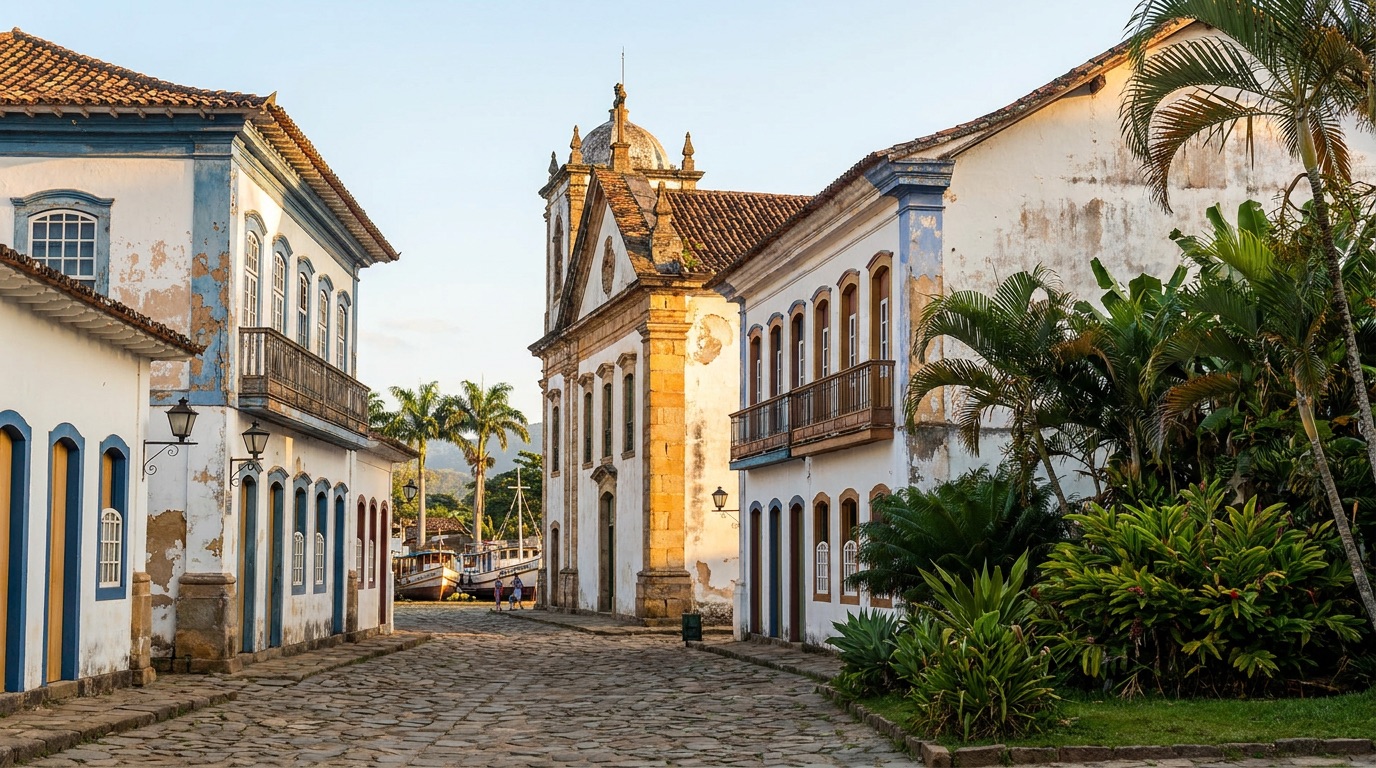
The question many people ask on arrival is: how did such an intact colonial town survive here? The answer is in three chapters — gold, cachaça, and a long forgetting that, ironically, preserved everything.
The gold port
In the 18th century, Paraty was the main port for shipping the gold of Minas Gerais, which came down the mountains along the Caminho do Ouro before sailing for Portugal. The town prospered, building churches and mansions — the foundation of the historic center we see today.
The cachaça era
When a new road took the gold straight to Rio, Paraty reinvented itself with sugarcane and cachaça. The region's mills produced so much that "parati" became a byword for the spirit across Brazil — a legacy the distilleries keep alive today.
The forgetting that preserved
With both cycles over, Paraty was isolated and forgotten for more than a century — no road, no growth, no demolitions. It was this "abandonment" that froze the colonial townscape. The Rio–Santos highway reconnected it in the 1970s, and tourism rediscovered it.
UNESCO World Heritage
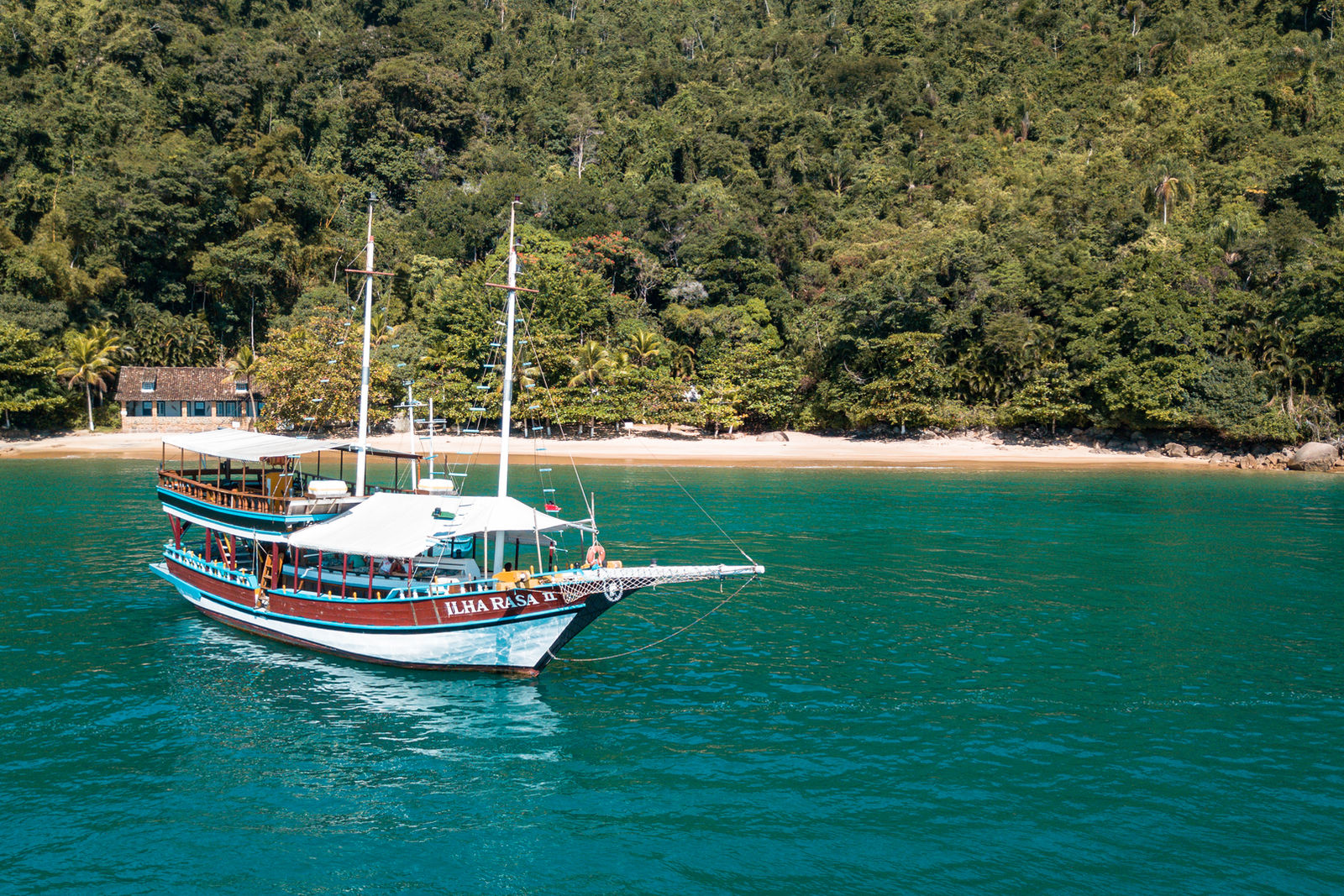
In 2019, Paraty and Ilha Grande were inscribed as a UNESCO World Heritage Site — a rare mixed listing, combining cultural value (the historic town) and natural value (the biodiversity of the Atlantic forest and sea). Walking its streets is, literally, walking through that history.